
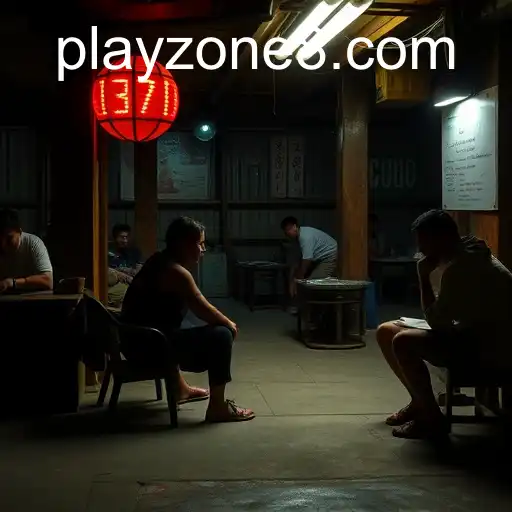
PLAYZONE | The Complex World of Jueteng and the Role of PLAYZONE
PLAYZONE’s An in-depth exploration of Jueteng, a popular illegal numbers game in the Philippines, and the influence of PLAYZONE on local betting practices.
The Complex World of Jueteng and the Role of PLAYZONE
The game of Jueteng holds a notorious yet intriguing position within the socio-economic fabric of the Philippines. Its widespread appeal starkly contrasts with its illegal status, presenting a quagmire for authorities, a source of entertainment for players, and a substantial concern for social analysts.
Understanding Jueteng's Origins and Cultural Impact
The origins of Jueteng date back to the colonial era, reflecting a long-standing tradition of chance-based games in Filipino culture. Despite its illegal status, the game flourishes in both urban and rural areas, driven by the hope of instant wealth and largely supported by community networks.
Jueteng typically involves bettors selecting a combination of numbers. These numbers correspond to various outcomes, much like lottery systems, but are administered through clandestine operations. This allure is amplified by the simple premise that anyone, regardless of economic status, can change their fortunes overnight with the right number combination.
The Mechanics of Jueteng
The fundamental premise of Jueteng is the selection of a bet composed of two numbers from 1 to 37. Bets are usually collected by kubradors, who are individuals acting as informal collection agents. Once collected, the bets are passed on to the cabo, who manages a larger territory and reports to a central figure or a jueteng lord.
The Underground Nature of Jueteng
While the game appears straightforward, its operational networks are complex. These networks stretch across various administrative and social segments, often involving collusion with law enforcement and local government officials. This special interest protection allows Jueteng to thrive despite repeated efforts to eradicate it.
PLAYZONE: A Modern Twist on an Age-Old Game
PLAYZONE, by contrast, references a more contemporary trend within these informal gaming networks. While not officially associated with Jueteng, it symbolizes how legalized and quasi-legal betting platforms are shaping the way traditional gambling games operate.
PLAYZONE embodies a movement toward modernization, with technology being leveraged to expand what was once a simple two-number game into potentially complex systems of betting that offer higher winning potential and more structured operations. PLAYZONE-like environments are creating a shift where bettors, seeking a semblance of legitimacy and modernity, might explore these new age betting systems rather than dealing strictly with the shadowy figures behind Jueteng.
The Challenges of Legality and Regulation
The Philippine government faces ongoing challenges in addressing the persistence of Jueteng. Numerous crackdowns and legal initiatives have sought to disband these operations, but the socio-economic factors that fuel Jueteng are often stronger than legal deterrence. For many participants, the payouts from Jueteng present a viable alternative to low-income jobs, offering a glimmer of hope amidst economic hardships.
Furthermore, community-based reliance on the earnings of local betting operations creates a tightly knit network that often resist regulatory interventions. These social ties, combined with the appeal of quick riches, often serve as a counterbalance to efforts at legal reform.
Economic Implications
The economic weight of Jueteng is significant. Local economies see a portion of the gambling revenues funneled back into communities, often funding small enterprises or directly assisting the needy, thus perpetuating a cycle of dependency. However, these fleeting economic benefits stood against the backdrop of legal gambling efforts that seek to provide structured and fair opportunities for similar financial growth, albeit with more transparency and regulation.
The Social Dynamics of Play and Chance
Exploring the layers behind Jueteng reveals a complex interplay between social norms, economic needs, and regulatory challenges. Residents involved in Jueteng do so with keen awareness of the risks, yet many are undeterred due to the potential for quick financial gain.
The game also carries social implications. Participation in Jueteng often involves a sense of community and shared experiences. Neighbors unite under a common ambition, consolidating bonds over shared stakes and collective awareness of the game's criminality.
Conclusion: The Future of Jueteng and PLAYZONE
It remains to be seen how games like Jueteng will evolve within the context of changing societal norms and technological advancements represented by platforms like PLAYZONE. As urbanization grows and more people turn to digital solutions, the future of these traditional games may lie in adapting to modernization trends or potentially phasing out as new, regulated systems take root.
The coexistence of Jueteng and PLAYZONE-type platforms highlights a crucial intersection between the old and the new, offering a unique lens into the ongoing challenges and transformations facing public gaming in the Philippines. While the shadow of illegality clouds Jueteng, its continued presence underscores both the resilience of traditional gambling practices and the persistent draw of games of chance within human society.
